
Continuing Education in Reflexology: Enhancing Your Skills and Knowledge
Reflexology is a wonderful path to holistic wellness and pain relief. Whether you are just starting out or have been practicing for some time, continuing education in reflexology is essential. It helps you stay updated, deepen your understanding, and provide the best care possible. In this post, I’ll share insights about why ongoing learning matters, what qualifications you need, and how you can keep growing in this rewarding field.
Why Continuing Education Reflexology Matters
Continuing education reflexology is more than just a requirement for certification or licensing. It’s a way to keep your skills sharp and your knowledge fresh. The world of holistic health is always evolving. New techniques, research findings, and client needs emerge regularly. By committing to ongoing education, you ensure that your practice remains effective and relevant.
For example, you might learn about new pressure point techniques or discover how reflexology can complement other therapies like aromatherapy or massage. This knowledge can improve your client outcomes and boost your confidence as a therapist.
Continuing education also helps you build trust with your clients. When they see that you are dedicated to learning and improving, they feel more comfortable and confident in your care. This can lead to stronger client relationships and more referrals.

Reflexology charts are essential tools that evolve with new education.
How to Choose the Right Continuing Education Courses
Choosing the right courses for your continuing education can feel overwhelming. There are many options available, from online classes to in-person workshops. Here are some tips to help you decide:
Look for accredited programs: Ensure the course is recognized by reputable reflexology associations or health organizations.
Consider your goals: Are you looking to specialize in a certain area, like pain management or stress relief? Pick courses that align with your interests.
Check the instructor’s credentials: Experienced teachers with a strong background in reflexology can offer valuable insights.
Balance theory and practice: Courses that combine hands-on practice with theory tend to be more effective.
Read reviews and testimonials: Hearing from past students can give you a sense of the course quality.
For example, if you want to expand your knowledge about reflexology for chronic pain, look for courses that focus on that topic specifically. This targeted learning will make your sessions more impactful.
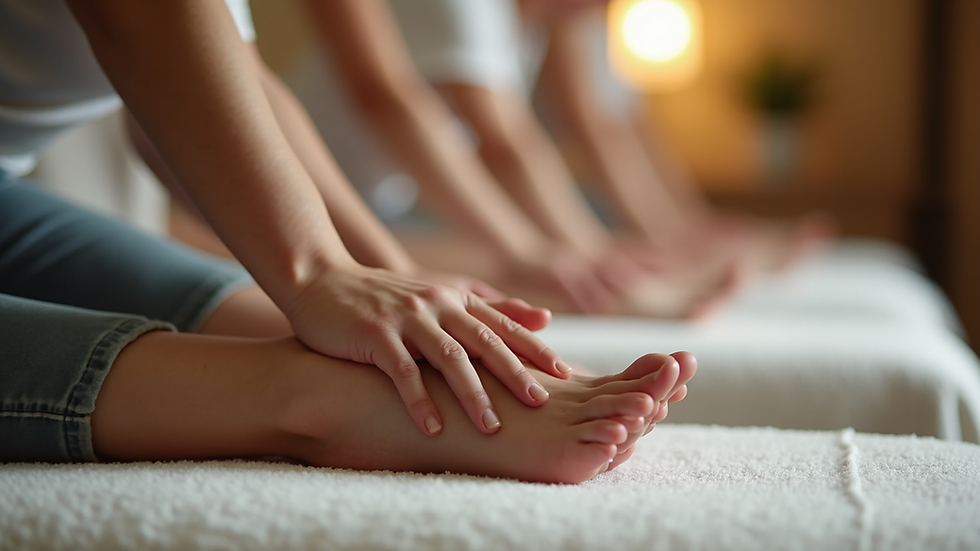
Hands-on workshops provide practical experience essential for skill development.
What Qualifications Do You Need to Do Reflexology?
Before diving into continuing education, it’s important to understand the basic qualifications required to practice reflexology. These can vary depending on where you live, but generally, you will need:
Completion of a recognized reflexology training program: This usually involves a set number of hours of study and practice.
Certification or licensing: Some regions require reflexologists to be certified or licensed to practice legally.
Basic knowledge of anatomy and physiology: Understanding the body’s systems helps you apply reflexology safely and effectively.
First aid training: This is often recommended or required to ensure client safety.
Once you have these qualifications, continuing education becomes your tool to maintain and enhance your expertise. It’s also a way to meet any ongoing certification requirements.
If you’re unsure about the specific qualifications in your area, check with local health authorities or reflexology associations. They can guide you on the necessary steps to become a certified reflexologist.
Practical Benefits of Reflexology Continuing Education
Engaging in reflexology continuing education offers many practical benefits that directly impact your practice and your clients’ well-being. Here are some key advantages:
Improved client outcomes: Learning new techniques can help you address a wider range of health issues.
Increased confidence: Knowing you have up-to-date knowledge makes you more assured in your sessions.
Expanded services: You can offer specialized treatments, such as reflexology for pregnancy or sports injuries.
Networking opportunities: Courses and workshops connect you with other professionals, opening doors for collaboration.
Personal growth: Continuing education keeps your passion alive and encourages lifelong learning.
For instance, after attending a course on reflexology for stress relief, you might incorporate breathing exercises or mindfulness techniques into your sessions. This holistic approach can make a big difference for your clients.
How to Incorporate Continuing Education into Your Busy Schedule
Finding time for continuing education can be challenging, especially if you have a busy practice or other commitments. Here are some strategies to help you make it manageable:
Set clear goals: Decide what you want to achieve with your education and prioritize accordingly.
Schedule learning time: Treat it like an appointment. Block out specific times in your calendar.
Use online resources: Many courses are available online, allowing you to learn at your own pace.
Join local reflexology groups: These often offer workshops or study sessions that fit into your schedule.
Combine learning with practice: Apply new techniques immediately to reinforce your skills.
Remember, even small steps add up. Spending just 30 minutes a week on continuing education can lead to significant improvements over time.
If you want to explore options, consider checking out reflexology continuing education programs that fit your needs and schedule.
Embracing Lifelong Learning in Reflexology
Continuing education is not just about meeting requirements or adding certifications. It’s about embracing a mindset of lifelong learning. Reflexology is a dynamic field that benefits from curiosity and openness.
By staying committed to your education, you enhance your ability to help others find relief and balance. You also contribute to the growth and recognition of reflexology as a respected holistic therapy.
Whether you are deepening your knowledge of foot reflexology or exploring hand and ear techniques, every bit of learning enriches your practice. It keeps your work fresh, exciting, and deeply rewarding.
Take the time to invest in yourself and your skills. Your clients will thank you, and you will feel more fulfilled in your journey as a reflexologist.
Continuing education in reflexology is a vital part of your professional and personal growth. It empowers you to provide the best care, stay current with new developments, and enjoy a fulfilling career. Keep learning, keep growing, and keep making a positive difference in the lives of those you serve.

Comments