
Understanding the Lymphatic System: Your Body’s Natural Drainage and Wellness Partner
Updated: Mar 30
When you think about your body’s health, you might focus on your heart, lungs, or muscles. But there’s a quiet, hardworking system that plays a crucial role in keeping you well every day - the lymphatic system. It’s not as famous as the circulatory system, but it’s just as important. Let’s explore what the lymphatic system is, how it supports your body, and why it matters for issues like sinus problems and lymphedema. Plus, I’ll share some simple ways you can support your lymphatic drainage for better health.
Understanding the Lymphatic System
The lymphatic system is a network of vessels, nodes, and organs that work together to keep your body’s fluids balanced and your immune system strong. Think of it as your body’s natural drainage system. It collects excess fluid, called lymph, from your tissues and returns it to your bloodstream. Along the way, it filters out harmful substances like bacteria and toxins.
This system also plays a key role in defending your body against infections. Lymph nodes act like checkpoints, trapping viruses and bacteria so your immune cells can destroy them. Without a healthy lymphatic system, your body would struggle to fight off illness and maintain fluid balance.
Here’s a quick look at what the lymphatic system does for you:
Removes waste and toxins from your tissues
Supports immune function by filtering harmful invaders
Maintains fluid balance to prevent swelling and discomfort
Transports fats from your digestive system to your bloodstream
Understanding this system helps you appreciate why it’s important to keep it working well.
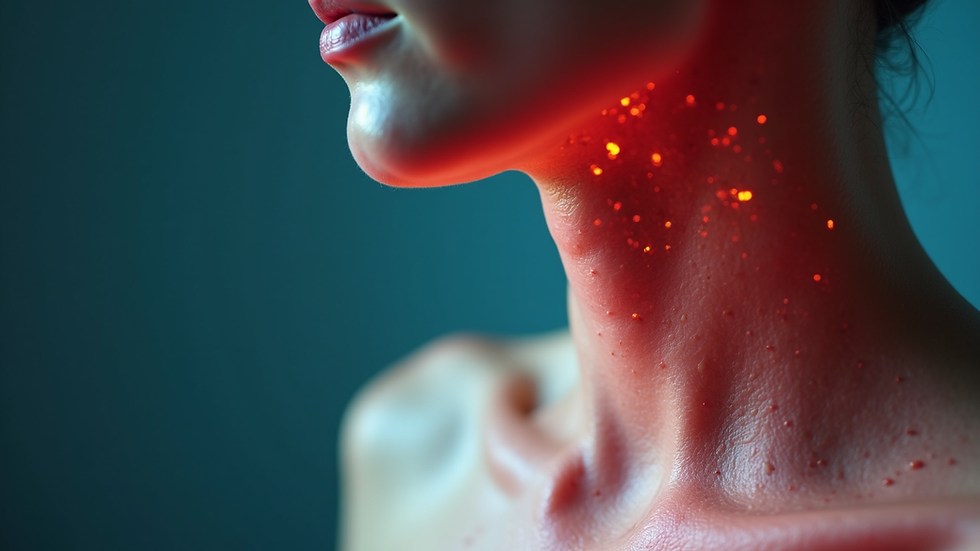
The Role of the Lymphatic System in Sinus Health
If you’ve ever dealt with sinus congestion or infections, you know how uncomfortable it can be. The lymphatic system plays a surprising role in sinus health. Your sinuses are lined with lymphatic vessels that help drain excess fluid and fight infections. When this drainage is blocked or slowed, it can lead to swelling, pressure, and sinus pain.
Sinus problems often involve inflammation, which can clog lymphatic vessels and reduce their ability to clear fluid. This creates a cycle where congestion worsens, and your body struggles to heal. Supporting your lymphatic drainage can help break this cycle and relieve sinus discomfort.
Here are some ways the lymphatic system relates to sinus health:
Drains excess fluid from sinus tissues to reduce swelling
Filters out bacteria and viruses to prevent infections
Helps clear mucus that can block nasal passages
If you experience frequent sinus issues, paying attention to your lymphatic health might offer relief beyond typical treatments.

Understanding Lymphedema
Lymphedema is a condition where lymph fluid builds up in tissues, causing swelling, usually in the arms or legs. It happens when the lymphatic system is damaged or blocked and can be a result of surgery, infection, or other health issues. This swelling isn’t just uncomfortable - it can lead to skin problems and increase the risk of infections.
If you’ve noticed persistent swelling that doesn’t go away, it’s important to understand lymphedema and seek care. Managing it early can prevent complications and improve your quality of life.
Here’s what you should know about lymphedema:
Caused by lymphatic blockage or damage
Leads to swelling, heaviness, and discomfort
Requires ongoing care to manage symptoms
Can be helped by therapies that support lymph flow
If you’re curious about natural ways to support your lymphatic system, reflexology is one option to explore. It’s a gentle therapy that can encourage lymphatic drainage and promote relaxation. In fact, many people interested in holistic wellness consider a reflexology career path to help others experience these benefits.
Supporting Your Lymphatic Drainage Daily
Supporting your lymphatic system doesn’t require complicated routines. Small, consistent habits can make a big difference in how well your body drains toxins and fights infections. Here are some practical tips you can start using today:
Stay Hydrated
Water is essential for lymph fluid to flow smoothly. Aim to drink plenty of water throughout the day to keep your system moving.
Move Your Body
Exercise helps pump lymph through your vessels. Activities like walking, yoga, or gentle stretching are great for encouraging drainage.
Practice Deep Breathing
Deep breathing creates pressure changes in your chest that help move lymph fluid. Try slow, deep breaths several times a day.
Try Dry Brushing
Using a natural bristle brush on your skin before showering can stimulate lymph flow. Brush gently toward your heart in long strokes.
Get Regular Massage or Reflexology
These therapies can manually encourage lymph drainage and reduce swelling. Reflexology, in particular, targets reflex points that support your lymphatic system.
Eat a Balanced Diet
Foods rich in antioxidants, like fruits and vegetables, support your immune system and reduce inflammation.
Avoid Tight Clothing
Clothes that are too tight can restrict lymph flow, so choose comfortable, loose-fitting options.
By incorporating these habits, you’re giving your lymphatic system the support it needs to keep you feeling your best.
Embracing Holistic Wellness Through Lymphatic Health
Taking care of your lymphatic system is a powerful step toward holistic wellness. When your lymphatic drainage works well, you may notice less swelling, fewer sinus issues, and a stronger immune response. It’s a natural way to support your body’s healing and maintain balance.
If you’re passionate about helping others achieve this kind of wellness, consider exploring a reflexology career path. Reflexology therapists play a vital role in promoting lymphatic health and overall relaxation. Whether you’re seeking relief for yourself or looking to build a meaningful career, understanding the lymphatic system is a great foundation.
Remember, your body is designed to heal and protect itself. By supporting your lymphatic system, you’re giving it the tools it needs to do just that. Start with small changes, listen to your body, and enjoy the journey to better health.


Comments